


You don't have to live with lukewarm showers or surprise cold water while you're washing dishes.
Your water heater gives you plenty of warning before it fails completely. You deserve to recognize these signs early and make informed decisions about your home.
What You Need to Know About Your Water Heater
Tank water heaters last 8-12 years while tankless systems reach 15-20+ years - but you shouldn't wait for complete failure
Rust-colored water, strange noises, leaks, and temperature changes - your water heater is telling you something important
Turn off water supply and power immediately when leaks appear - quick action protects your home from damage
Professional assessment makes sense for units over 10 years old - you deserve honest guidance about repair versus replacement
Replace when repair costs exceed 50% of new unit price - multiple problems mean deeper issues
Seattle's hard water makes these warning signs show up faster. You can stay ahead of expensive surprises with early detection.
You shouldn't have to guess when your tank water heater needs attention. Most units last around 10 years, and many start showing problems after 8 years.
You're smart enough to spot the warning signs. You just need to know what to look for.
This guide shows you exactly that - the critical signs your water heater gives before it fails, and what to do when you notice them.
Your Water Heater Won't Last Forever – Here's What You Need to Know

Tank water heaters give you 8 to 12 years of service. Tankless systems can reach 15 to 20+ years with proper care. The difference is simple: tank systems work around the clock heating and storing water. That constant work wears them down faster. Tankless units only heat when you need hot water, so they last longer.
Your water heater's lifespan depends on several things. Seattle's hard water accelerates sediment buildup inside your tank. Those minerals pile up and make your unit work harder. Less efficiency means earlier failure.
Regular maintenance makes a real difference. Flush your tank once a year to clear out sediment. Check that anode rod too[72]. High-use households wear out water heaters faster. If you're running hot water constantly, expect a shorter lifespan.
Professional installation sets you up for success from day one. Poor installation or putting your unit in a flood-prone spot cuts years off its life.
Time for replacement? If your unit hits 10 years and multiple problems start popping up, replace it[61][71]. Here's a simple rule: if repair costs exceed 50% of a new unit's price, buy new. Multiple problems usually mean the whole system is wearing out.
Your Water Heater Gives You Fair Warning
Your water heater doesn't fail overnight. It gives you plenty of warning signs first.
Rust-colored water tells the whole story. When your hot water runs brown or orange, that's internal corrosion eating through your tank. You might taste metal or smell something off. External rust shows up as reddish-brown spots around valves and connections – especially at the bottom where sediment sits.
Strange sounds mean trouble. Popping, rumbling, or crackling during heating cycles? That's sediment buildup at the tank bottom. Water gets trapped underneath and turns to steam, creating those distinctive noises you're hearing.
Leaks need immediate attention. Even small drips around your tank's base signal internal corrosion that's eaten through the metal. Small drips become big problems fast – water heaters operate under pressure.
Temperature problems reveal declining performance. Your shower takes longer to warm up. Hot water runs out faster than it used to. Water temperature fluctuates unpredictably. These aren't minor inconveniences – they're signs that rust and sediment are affecting your system's efficiency.
Seattle's hard water makes this worse. Mineral accumulation happens faster here.
Higher energy bills without changes in usage suggest your unit struggles to maintain temperature. Sediment creates an insulating layer between the heating element and water, forcing the system to work harder.
You don't have to guess what's wrong. These signs tell you exactly what's happening inside your water heater.
When Your Water Heater Shows These Signs, Here's What You Do
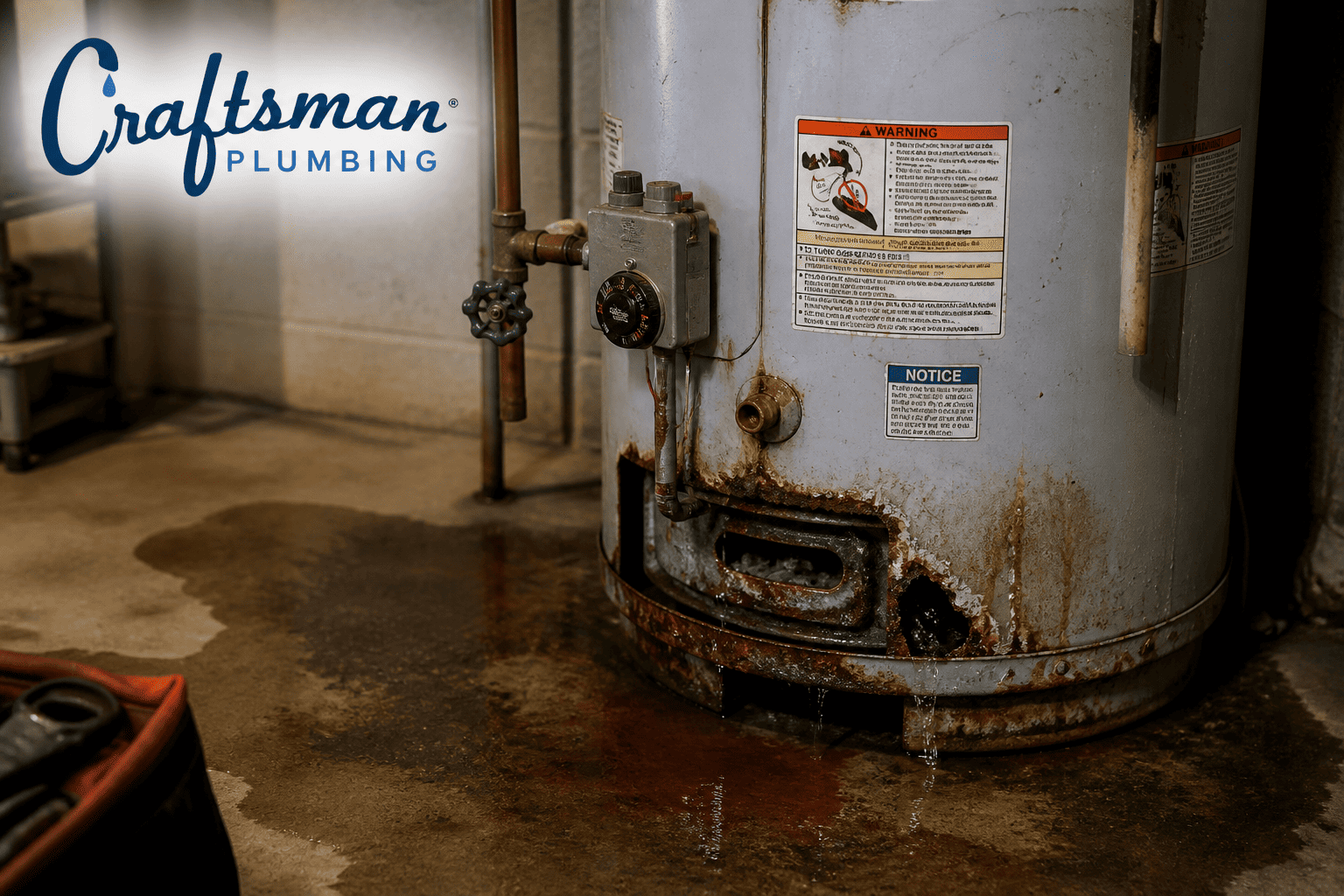
You spot the warning signs. Now what?
First, don't panic. You're dealing with a mechanical issue that has clear solutions.
For leaks: Act fast, but stay calm. Find the cold water supply valve at the top of your unit and turn it off. Then shut off power at the breaker box for electric models, or close the gas valve for gas heaters. You're stopping water flow and eliminating safety risks.
For other issues: You have time to think through your options. Some problems don't require emergency calls.
You should call a plumber when simple fixes haven't worked, when you're not comfortable doing repairs yourself, or when you need guidance on whether to repair or replace.
But some situations need immediate attention. Contact a professional right away if you smell gas, see sewage backups, notice major water damage, find persistent leaks, or have no hot water after checking the basics.
Professional evaluation protects your investment. Licensed technicians determine whether your unit needs repair or replacement based on age, damage severity, and cost effectiveness. For units over 10 years old showing multiple problems, replacement usually makes more financial sense. Seattle's hard water often speeds up wear, making professional assessment valuable for your decision.
Before you call anyone, check your circuit breaker and thermostat settings. These simple steps sometimes solve the problem without any service calls.
You deserve straight answers about your options. Not pressure, not condescension – just clear information that helps you make the best choice for your home.
Why Choose this Seattle Plumbing Company to Solve Your Water Heater Problems
Professional water heater service in Seattle requires more than basic plumbing skills. Licensed technicians bring specialized training to handle both traditional tank and tankless systems safely, reducing risks like gas hazards and electrical malfunctions that DIY attempts often create. Code compliance stands as another critical factor. Seattle's building regulations govern water heater installation, and experts familiar with these local requirements ensure your system meets all safety standards while protecting your warranty coverage.
Proper sizing makes a substantial difference in performance. Professional installers assess your household's hot water needs accurately and recommend the right unit type and capacity for your specific usage patterns. This customized approach prevents the common mistake of installing undersized or oversized equipment that wastes energy and money.
Energy efficiency improvements come standard with professional replacement. Modern water heater technology uses less energy than older models, consequently lowering your monthly utility bills while delivering reliable hot water. Moreover, correct installation extends your system's lifespan by preventing early wear from improper setup.
Transparent pricing eliminates surprises. Reputable Seattle plumbers provide clear, upfront quotes before starting work, so you know exactly what to expect. Emergency services ensure help arrives quickly when water heater failure strikes at inconvenient times, keeping your home comfortable year-round.