
What Seattle Homeowners Need to Know About Failing Drains
That slow drain isn't just inconvenient. It's a warning sign.
Seattle's rainfall exposes drainage problems that have been building in your pipes for months. What seemed manageable becomes a flooding disaster when the next storm hits.
• Water backing up in multiple fixtures during rain means your main sewer line is failing - this isn't a simple clog you can fix yourself.
• Gurgling sounds and sewage smells tell you air is trapped and vents are blocked - problems that need immediate professional attention.
• Stop using all water the moment you see active backups - every flush or sink use makes the situation worse and increases your damage risk.
• Professional inspections every 2 years prevent expensive emergencies - especially critical for older Seattle homes with aging drainage systems.
• Wet spots in your yard combined with slow drains signal sewer line breaks - requiring immediate repair to prevent foundation damage and health hazards.
You shouldn't have to live in fear of the next rainstorm. Early professional intervention protects your home from Seattle's challenging weather and saves you thousands in emergency repairs.
Your slow drain seems manageable until Seattle rain reveals what's really happening in your pipes. Hair, grease, and debris accumulate in your drainage system over time, restricting water flow. Soap scum mixes with hair and dead skin, creating a paste-like coating inside your pipes. These buildups affect bathroom drains, kitchen sinks, and fixtures throughout your house. When Seattle rain hits an already compromised system, you'll see water backing up, hear gurgling sounds, and watch slow drains suddenly get worse. This article helps you recognize when your drainage system can't handle Seattle's weather - and what to do about it.
What Seattle Rain Does to Your Drainage System
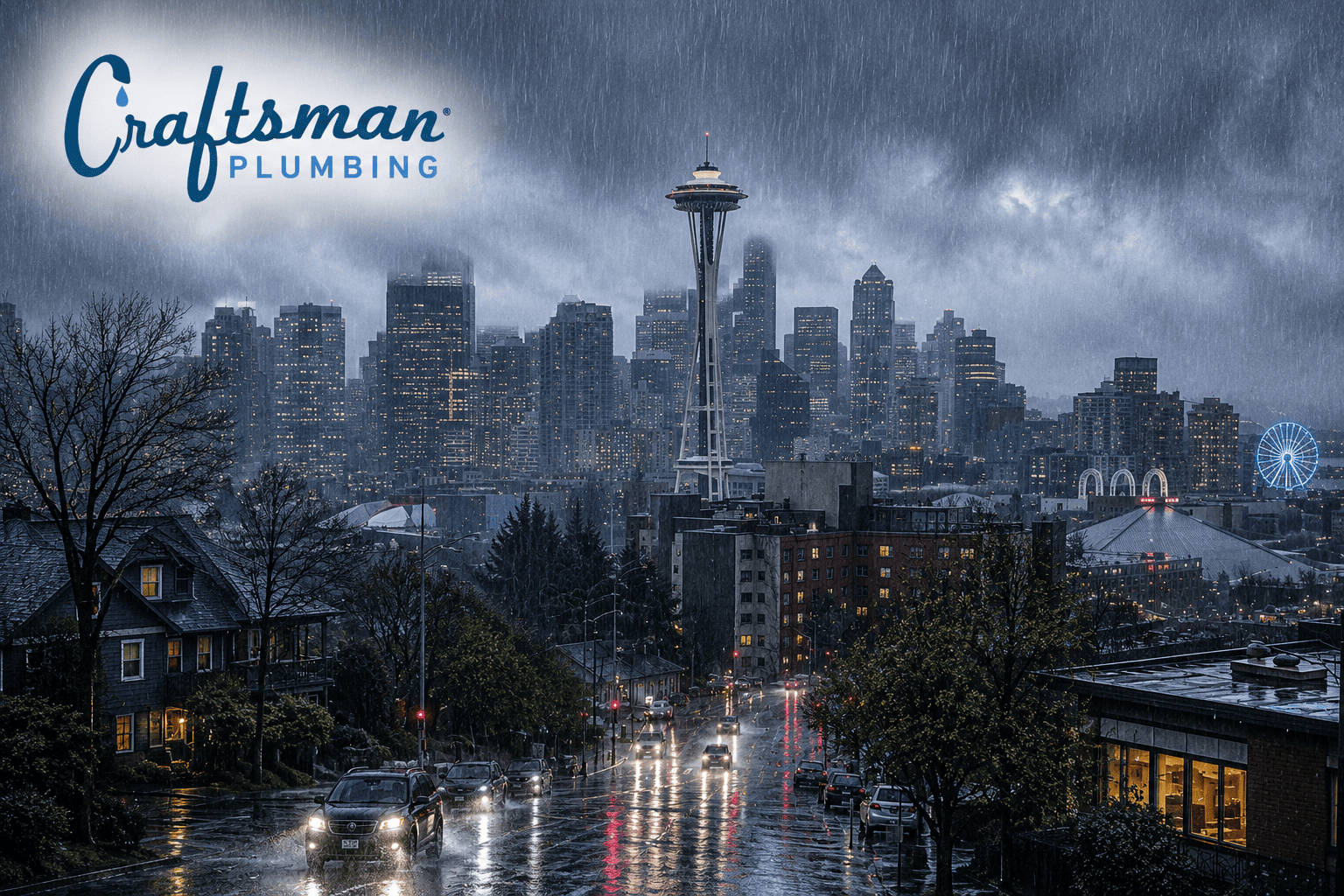
Seattle’s heavy rainfall puts constant pressure on residential drainage systems, especially in older homes built for outdated weather conditions. If your drains slow down during storms, it may be more than a simple clog — it could be a warning that your plumbing system can’t handle Seattle’s increasing rain intensity.
Seattle's Weather Creates Problems Other Cities Don't Face
Your home connects to Seattle's 432 miles of drainage pipe. When this massive system hits capacity during heavy rain, your slow drains in house become the warning signal of a much bigger problem.
Here's what happened. Systems built decades ago used older rainfall data that doesn't match what Seattle sees today. Climate change brought heavier rain events that dump more water in shorter time periods. Your drainage system wasn't designed for this reality.
The numbers tell the story. Seattle's drainage modeling looks at storm events from 5-year to 50-year intensities, and the number of overwhelmed pipes doubles between these design levels. When your bathroom drains slow down during heavy Seattle rain, the system is telling you it can't keep up.
This problem will get worse. Extreme rainfall continues increasing globally, with 68% of people expected to live in urban areas by 2050. Your slow drains during storms aren't a coincidence.
Heavy Rain Exposes What Your System Can't Handle
Light rain hides drainage problems. Heavy rain reveals them.
Your drainage system was sized for your property's water load - roof runoff, yard drainage, slope, and soil absorption. But when rainfall exceeds that capacity, pressure builds in your pipes. That pressure damages connections and weakens joints.
Older systems face a particular challenge. They weren't built for today's extreme weather patterns. Your slow running drains signal that water moves too slowly through pipes that can't handle the volume.
Ground saturation makes everything worse. Prolonged rain saturates soil, reducing its ability to absorb water. More surface runoff flows into drains that are already struggling. Saturated soil can also shift foundations, straining plumbing and causing pipe breaks.
Storm Drains and Your Home Plumbing Connect More Than You Think
Storm drains handle rainwater and runoff, directing it to rivers, lakes, or retention ponds without treatment. Sewers carry wastewater from your sinks, showers, and toilets to treatment plants. Different purposes, but they affect each other.
When Seattle's storm systems get overwhelmed, increased water volume pushes back into connected systems. Municipal sewage systems experience loads that exceed pipe capacity, forcing waste back toward homes. Your slow drain becomes a backup risk when external drainage can't handle the rainfall volume.
You don't have to accept this as normal.
Your Drainage System Is Trying to Tell You Something
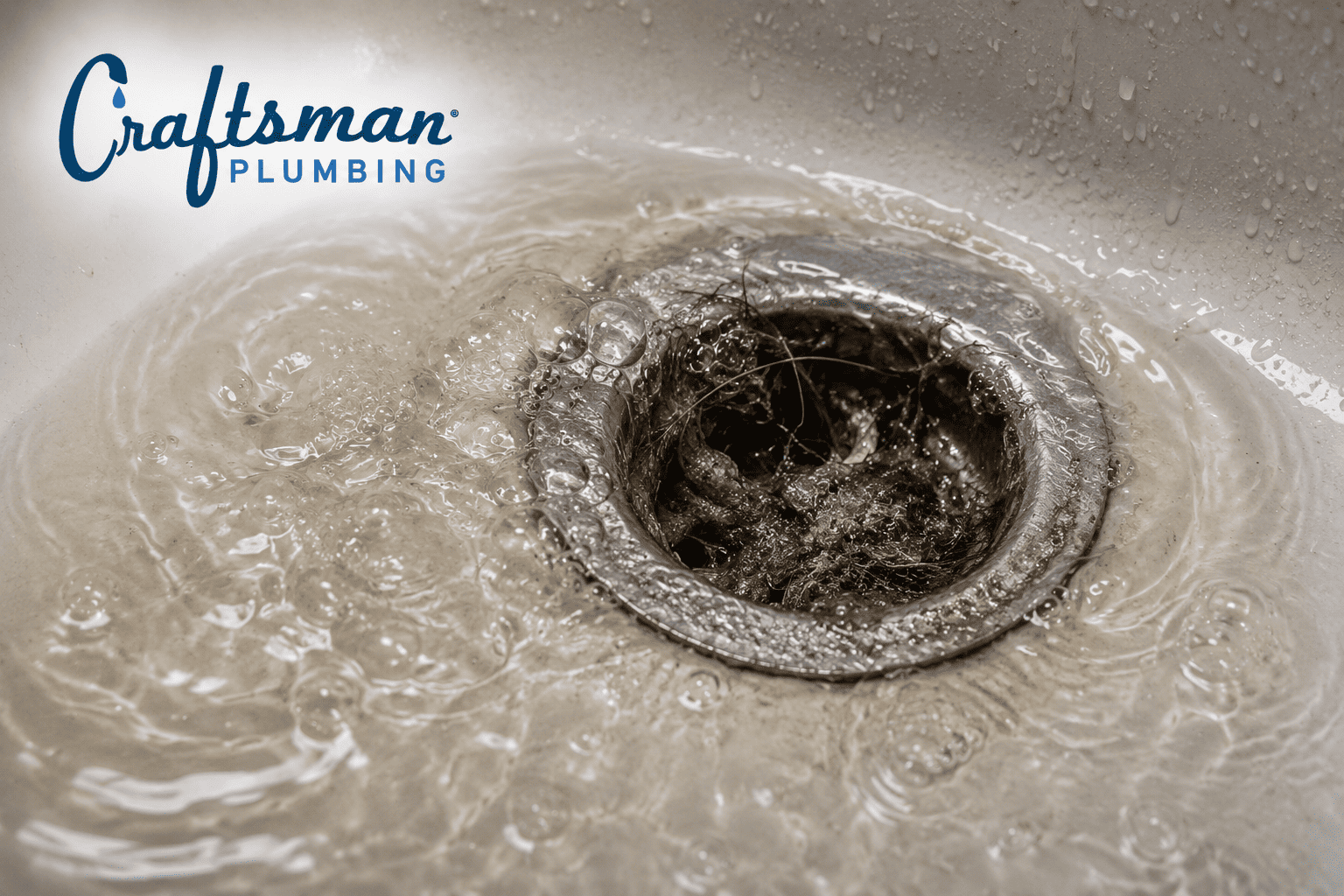
Your drains don't stay quiet when they're struggling. They send clear signals before things get worse.
The problem is most homeowners ignore these warnings until water starts backing up into their basement. You don't have to wait for a disaster to know your system needs help.
Multiple Fixtures Back Up During Rain – That's Not Normal
Water backing up in several fixtures at once means you're dealing with a sewer line problem, not just a simple clog. This is different from a normal blockage that affects one fixture.
You flush the toilet and watch water bubble up in your bathtub. Or you run the washing machine and see water rise in nearby toilets. Lower-level fixtures show problems first since wastewater finds the lowest outlet when blocked.
One slow drain? That might be local. Multiple slow drains happening together? Your main sewer line is telling you it can't handle the load.
Your Bathroom Drains Get Worse Every Storm
Slow bathroom drains that suddenly worsen during rainfall mean your system was already compromised. The rain just exposes what was already failing.
Water takes longer to clear from sinks. Showers drain sluggishly. Each storm makes it worse.
This pattern tells you that debris, grease, or roots have narrowed your pipes. The additional rainwater pushes your already-strained system past its breaking point.
Those Gurgling Sounds Aren't Harmless
Gurgling happens when air gets trapped in your plumbing and forces its way back through fixtures. The sound means your sewer line, vent system, or municipal sewer can't handle the stormwater.
You hear it after flushing or when another fixture drains. Partial blockages stop proper water flow, trapping air that creates those hollow, bubbling sounds. Your pipes work under uneven pressure, and air can't escape where it should.
It's not just annoying. It's your plumbing system struggling.
Standing Water Around Floor Drains Means Trouble
Water pooling around floor drains signals drainage problems. Floor drains sit at your system's lowest point, making them the first place backups appear.
When water won't flow smoothly through these drains, something downstream blocks the pipe.
You shouldn't have to live with standing water in your basement every time it rains.
When Your Drainage Problems Become Health and Safety Risks
Heavy rain doesn’t just affect streets and storm drains — it can create serious plumbing problems inside your home. From sewage odors to basement flooding, these warning signs often point to drainage systems struggling to handle Seattle’s intense rainfall and saturated ground conditions.
Sewage Odors Inside Your Home
That rotten egg smell isn't something you should ignore or get used to.
Hydrogen sulfide gas escaping into your living space signals serious problems. Blocked sewer lines force gases back through your drains instead of venting outdoors. Dry P-traps lose their water seal, creating direct pathways for sewer gases. Damaged plumbing vents prevent proper gas evacuation through your roof.
These odors pose real health risks. Methane accumulation becomes highly flammable in large amounts, while prolonged exposure causes weakness, headaches, dizziness, and nausea.
You shouldn't have to hold your breath in your own home.
Wet Spots or Sinkholes in Your Yard
Persistent wet spots accompanied by sewage odor indicate sewer line breaks. Wastewater escaping through damaged pipes seeps upward through soil.
When you notice slow drains throughout your home combined with yard dampness, that confirms main sewer line blockage. Clay soils expand when oversaturated, causing foundation heaving or settling that creates structural instability and wall cracks.
Your yard is trying to tell you something important.
Basement Flooding During Heavy Rain
Over-saturated soil forces excess water through basement walls during Seattle rain. Basements without sump pumps flood regularly during storms. Foundation cracks and leaks allow water intrusion.
Flooding weakens foundation integrity, promotes mold growth, and contaminates your space with bacteria.
No one should dread going downstairs after every storm.
Slow Running Drains Throughout the House
Multiple slow drains simultaneously signal main sewer line obstruction rather than isolated clogs. Toilets requiring double flushes and persistent rotten egg smells indicate waste buildup restricting drainage. Water backs up in lower-level fixtures like showers when toilets flush.
When every drain in your house struggles, the problem isn't small anymore.
You Don't Have to Panic When Your Drains Start Acting Up
Stop the Problem From Getting Worse During Heavy Rain
Cut off all water usage the moment you notice backup during Seattle rain. Every toilet flush makes it worse. Every sink you run pushes more water where it shouldn't go. Washing machines will turn a manageable mess into a disaster that floods your basement.
Stay away from standing water - it's contaminated with raw sewage and bacteria that can make you sick. Take a moment to see how many drains are affected. Multiple problem areas mean your main sewer line is blocked, not just one pipe.
When You Need Professional Help Right Away
Contact a plumber immediately when water smells like sewage or looks contaminated. Rising water that won't stop coming up through your floor drains can't wait until tomorrow.
Multiple drains backing up at once means you need professional equipment to clear the main line. Recurring clogs that keep coming back signal deeper problems that quick fixes won't solve. Persistent gurgling sounds despite your attempts to clear things mean it's time for a professional inspection.
Keep Your Seattle Home Protected Before Problems Start
Clean your gutters every three months to prevent debris buildup. Professional inspections catch pipe problems before they turn into expensive emergencies. High-pressure water jetting clears out stubborn blockages that regular maintenance can't reach.
Schedule professional maintenance every couple of years - especially crucial for older Seattle homes where pipes weren't built for today's weather patterns.
Real Solutions for Drains That Keep Giving You Trouble
Hydro jetting cuts through grease, roots, and years of buildup that regular snaking can't touch. Camera inspections show you exactly what's wrong with your pipes before you spend money on the wrong repairs.
Pipe replacement fixes the root cause when corrosion in older systems keeps creating slow drains throughout your house. You deserve a drainage system that works reliably, not one that stresses you out every time it rains.
Call an Expert Plumber in Seattle to Fix Your Slow Drain
Your slow drains reveal more than just minor inconvenience during Seattle rain. Without doubt, these warning signs indicate your system struggles with the volume it faces. Waiting until basement flooding occurs or sewage backs up creates expensive emergencies that preventive action could avoid. Regular professional inspections and maintenance protect your home from Seattle's challenging weather patterns. By all means, address drainage issues early, before heavy rain transforms slow drains into costly disasters that damage your property and disrupt your life.