


You shouldn’t have to worry whether your pipes will survive the next big shake.
The 2001 Seattle earthquake caused nearly $2 billion in damage. A significant portion came from plumbing systems that simply weren’t prepared. You live in one of the most earthquake-prone cities in the country. Seattle sits directly on the Pacific “Ring of Fire”.
Here’s what keeps many homeowners awake at night: our region has an 84% chance of experiencing a major earthquake similar to the 2001 Nisqually quake in the next 50 years.
Your plumbing is particularly vulnerable when the ground starts moving. About 15% of Seattle’s total area consists of soil that fails during earthquakes. This can destroy underground pipes and connections. Plus, Seattle has over 1,100 unreinforced masonry buildings at risk of collapse. Many have outdated plumbing systems that were never designed to handle shaking.
It’s not just structural damage you need to worry about. It’s the hidden breaks, the slow leaks, the gas line ruptures that show up days or weeks later.
You don’t have to live with this anxiety. Preparing your plumbing before an earthquake strikes costs far less than dealing with emergency repairs afterward.
You deserve both a safe home and peace of mind. This guide shows you exactly how to protect your water systems, which materials actually work in earthquake zones, and how to keep your family safe when the shaking starts. You can turn your vulnerable plumbing into a system that gives you confidence instead of worry.
Understanding Seattle’s Earthquake Risk
You live atop one of North America’s most dangerous geological puzzles. Understanding this risk helps you protect your home’s plumbing and keep your family safe.
Seattle sits on the Pacific Ring of Fire
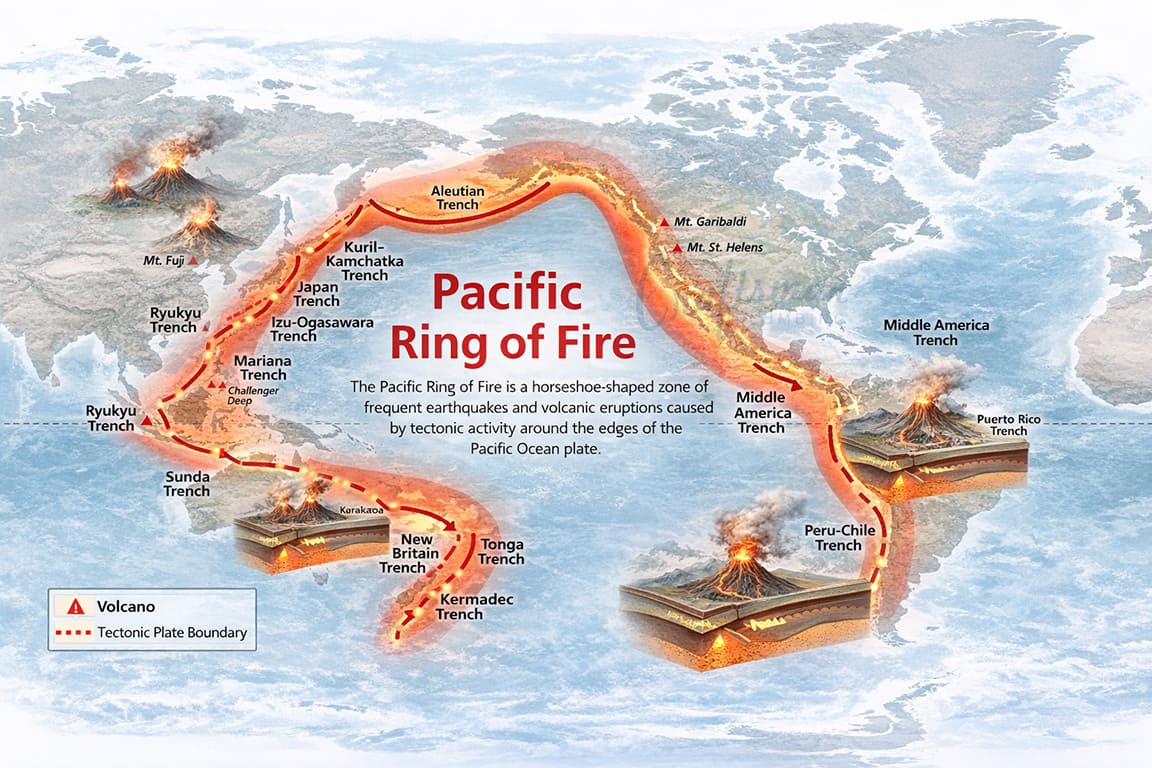
The Pacific Ring of Fire sounds dramatic because it is. This horseshoe-shaped zone around the Pacific Ocean generates approximately 90% of all earthquakes worldwide. It stretches 25,000 miles and affects more than 40 countries.
Seattle sits directly on this notorious seismic belt.
What makes this particularly worrisome for you? The Cascadia Subduction Zone lies right beneath your feet. Here, the Juan de Fuca tectonic plate gets slowly forced underneath the North American plate. This creates ongoing geological pressure – the perfect recipe for significant earthquakes.
Your neighborhood faces another challenge. Seattle’s downtown area and many residential neighborhoods sit on sedimentary basins. Think of them as deep bowls filled with loose soil and sediment. During earthquakes, these basins act like amplifiers. They make shaking last longer and become more intense than areas built on solid bedrock.
Three types of earthquakes threaten Seattle
You need to understand three distinct earthquake threats. Each affects your home differently:
Crustal earthquakes happen in shallow areas, typically less than 22 miles deep. They’re usually smaller but can be especially damaging because they occur close to the surface. The 2001 Nisqually earthquake damaged over 200,000 homes – and it was this type.
Deep earthquakes start 30-40 miles below the surface within the Juan de Fuca plate. These can reach magnitudes up to 7.5.
Subduction zone earthquakes are the ones that should keep you awake at night. They result from sudden slippage along the entire Cascadia Subduction Zone. These rare but catastrophic events generate earthquakes of magnitude 9.0 or greater – like the 2011 Japan earthquake that triggered devastating tsunamis.
Each type affects your plumbing differently. Crustal quakes create sharp, violent shaking that can snap rigid pipes. Deeper earthquakes produce rolling motion that stresses connection points.
How often earthquakes actually happen here
Small earthquakes occur with surprising frequency in the Puget Sound region. Washington experiences hundreds each year, though most are too small to feel.
The bigger ones? Those are substantial risks.
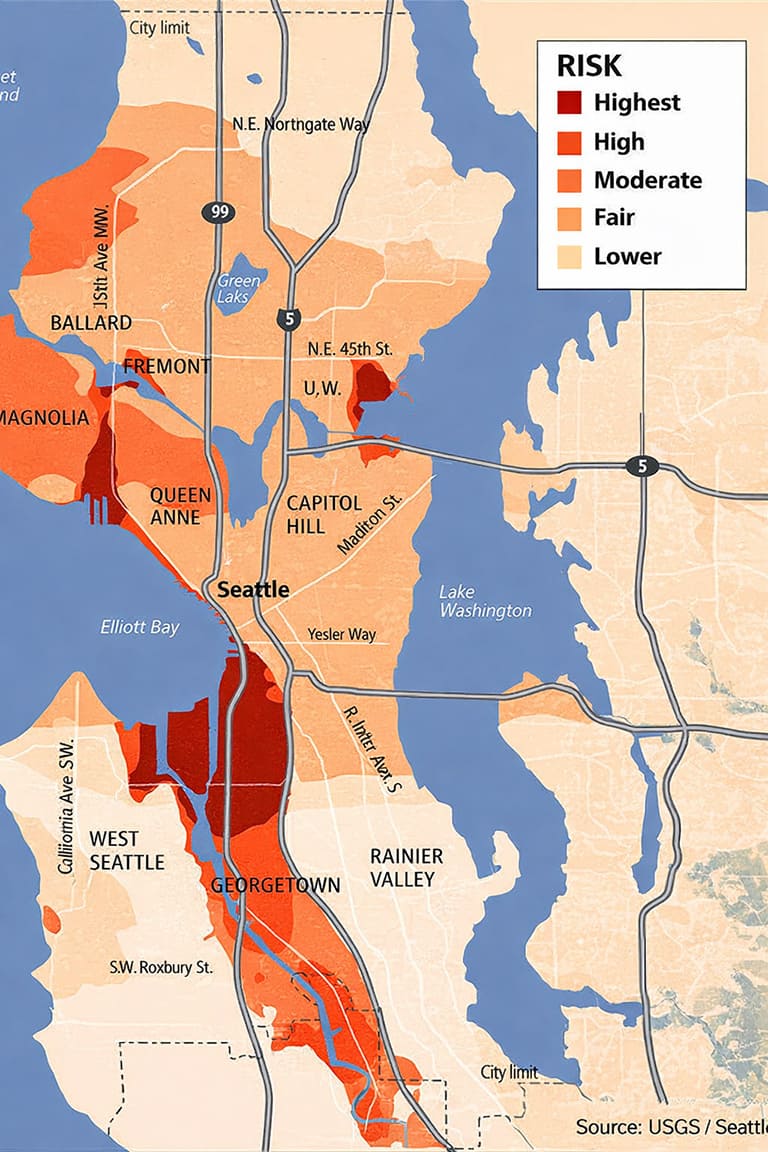
Scientific models show Seattle faces:
- A 15-20% chance of a major shallow crustal earthquake (magnitude 6.5+) in the next 50 years
- A 30% probability of another Nisqually-type deep earthquake in the same timeframe
- A 10-14% chance of a catastrophic Cascadia Subduction Zone earthquake (magnitude 8-9+) within the next 50 years
The Cascadia Subduction Zone produces a major earthquake approximately every 300-500 years. The last one happened in January 1700 – a full 325 years ago. We’re within the typical window for another event.
This explains why Seattle keeps strengthening building codes. Homes built before 1980 have completely different construction standards than modern buildings. This includes plumbing installation techniques and materials.
Here’s what makes Seattle different from California: California gets frequent moderate earthquakes that force continuous infrastructure improvements. Seattle gets long quiet periods followed by major events. Many homeowners remain unprepared when the ground eventually shakes.
You don’t want to be one of them.
Why Your Plumbing Is More Vulnerable Than You Think
Earthquakes threaten your entire home, but your plumbing system faces dangers you probably haven’t considered. The pipes, water heater, and gas lines running through your walls often suffer invisible damage that shows up as expensive surprises weeks later.
You deserve to know exactly what you’re dealing with before the next Seattle earthquake hits.
When the Ground Shakes, Pipes Break
The violent shaking during earthquakes can cause pipes to rupture, crack, or tear completely away from their connections. Your pipes don’t just leak – they disconnect entirely from joints and fittings, creating pathways for major water damage.
Older homes face the biggest problems. Metal pipes like copper or galvanized steel develop microcracks and fractures during seismic activity. Even minor earthquakes can loosen pipes at their joints. What starts as a small issue quickly becomes a plumbing emergency.
Here’s what happens to different pipe locations:
- Exposed pipes in basements and crawl spaces shift and vibrate violently
- Underground pipes get crushed by soil displacement
- Pipes within walls stress and crack as your house flexes and moves
Even if your home looks fine after an earthquake, plumbing problems could be developing behind walls or under your foundation right now.
Slab Leaks: The Hidden Disaster
A slab leak happens when water pipes beneath your concrete foundation crack or disconnect. Foundation shifts during earthquakes create stress on rigid plumbing systems that simply can’t handle the movement.
Seattle’s soil composition varies dramatically from neighborhood to neighborhood. When the ground moves during earthquakes, it causes uneven settling beneath homes. This uneven settling puts enormous stress on plumbing systems located in or underneath foundations, resulting in destructive slab leaks.
Watch for these warning signs after any earthquake:
- Unexplained damp spots on floors or carpets
- Water bills that suddenly spike without increased usage
- The sound of running water when all faucets are off
- New cracks appearing near your foundation or driveway
Slab leaks can develop days or even weeks after the initial earthquake. If you ignore them, they compromise your home’s structural integrity and create mold growth within 24 hours.
Your Water Heater: A Dangerous Risk
Your water heater represents one of the most serious earthquake hazards in your plumbing system. Unsecured water heaters tip over or slide during earthquakes if they’re not properly anchored. When they move, they cause:
- Gas line or water line leaks
- Electrical wiring damage
- Fire hazards from broken gas connections
The 6.7-magnitude Northridge earthquake in 1994 sparked at least 110 fires – many traced directly to gas ignitions from toppled water heaters. Before that earthquake, most people secured their water heaters with just a single strap of plumber’s tape. Many tanks burst right through that inadequate strapping.
Gas lines throughout your home face similar risks. The natural gas network becomes critical after a disaster, but if it’s damaged, it significantly impacts your recovery. Broken or cracked gas lines from earthquake movement create dangerous leak situations inside your home.
Even minor earthquakes can damage water heaters that aren’t properly secured with seismic straps. Unlike visible structural damage, plumbing failures often stay hidden until they show up as water damage, gas leaks, or contaminated water supplies.
You don’t have to accept these risks. Simple preventive measures – from securing water heaters with proper strapping to installing flexible connections that absorb seismic movement – can protect your home and family when the ground starts shaking.
8 Ways to Earthquake-Proof Your Plumbing
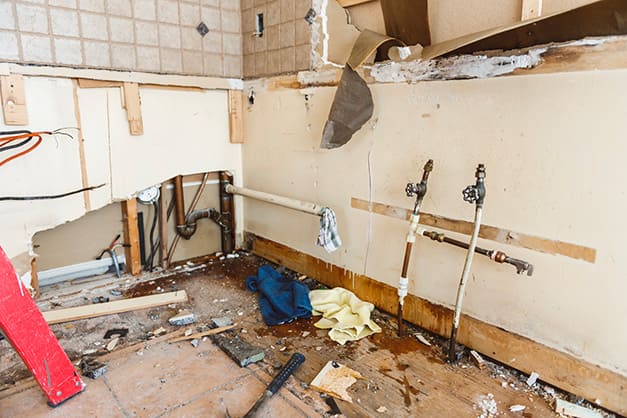
You don’t need a complete plumbing overhaul to protect your home. These eight practical steps can dramatically reduce your risk of damage when the ground starts shaking.
1. Get a professional plumbing inspection
An annual plumbing inspection focused on seismic safety identifies small problems before they become disasters. Professional plumbers check gas and water line integrity, water heater strapping, pipe bracing, and signs of foundation shifting. They’ll pressure-test lines, check bracket tightness, and calibrate existing seismic shutoff valves.
Even small corrosion spots at couplings could mean future failure under seismic load. You deserve to know exactly where your home stands before an earthquake hits.
Speak to Craftsman Plumbing about your questions today to schedule a comprehensive earthquake readiness assessment.
2. Install automatic shut-off valves
Automatic shut-off valves prevent fires and flooding by cutting off utility flow when they detect seismic activity. There are two main types:
- Seismic gas shut-off valves that automatically close when they detect earthquake-level movement (typically around magnitude 5.1 or greater)
- Excess flow valves that shut off when they detect a significant leak or pressure surge
These valves must be installed on your house line, not on utility company equipment. After installation, only reset the valve following manufacturer instructions or contact a professional to check for leaks before restoring service.
3. Use seismic straps for water heaters
The 1994 Northridge earthquake resulted in at least 110 fires traced to toppled water heaters. Building codes were updated afterward to require proper strapping.
Current guidelines specify:
- Two straps for water heaters up to 50 gallons and three straps for larger tanks
- Heavy-gauge metal strapping rather than plumber’s tape
- One strap around the upper third and another around the lower third of the tank
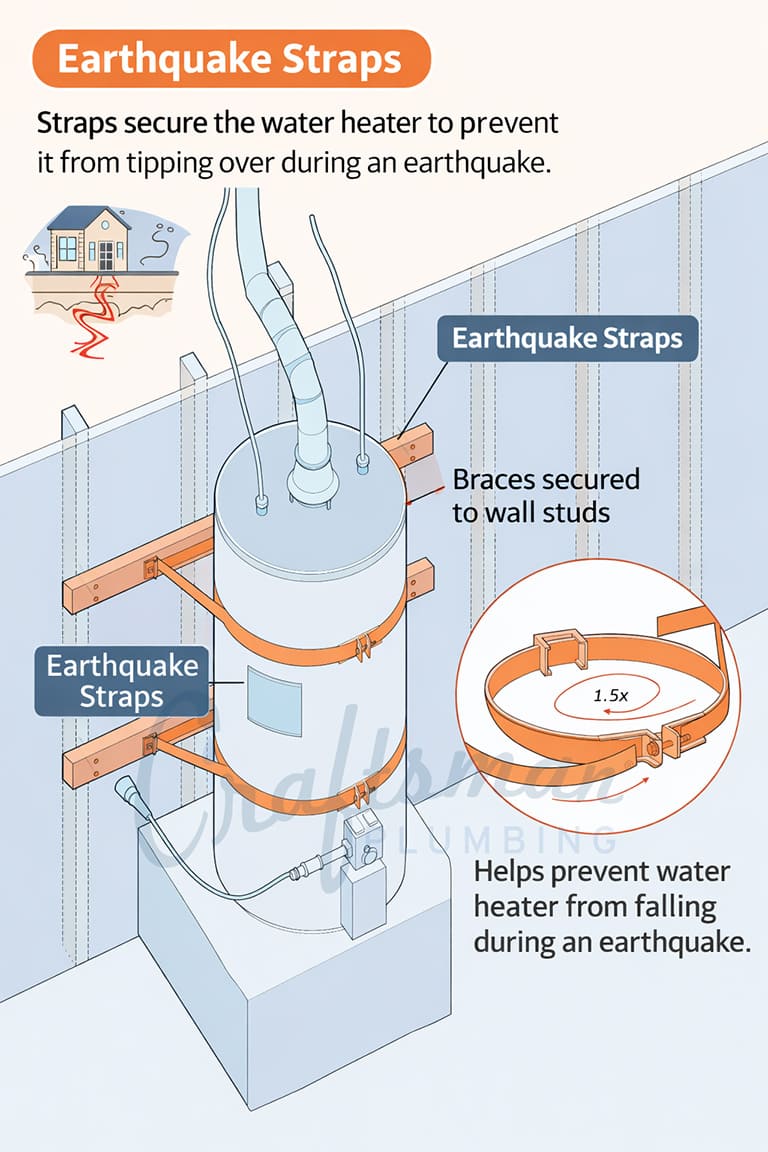
The straps must be anchored to wall studs or masonry with proper bolts. Install flexible connectors for both water and gas lines to allow movement without breakage.
4. Replace rigid pipes with flexible connections
Rigid pipes snap during earthquakes. Flexible materials bend and absorb movement instead of breaking.
Key replacements include:
- PEX piping, which offers flexibility and lower cost
- Flexible stainless-steel connectors for appliances like washing machines and dishwashers
- Corrugated supply lines that can flex during a quake
These materials act like shock absorbers for your plumbing system. They often perform better against corrosion and scale buildup too.
5. Anchor exposed pipes and appliances
Exposed plumbing in garages, basements, or crawl spaces should be secured to prevent movement during shaking. Fixtures such as sinks, toilets, and washing machines benefit from bracing that prevents movement.
For washing machines, anti-vibration pads combined with strapping to wall studs ensure hoses won’t detach during an earthquake.
6. Reroute plumbing away from slab foundations
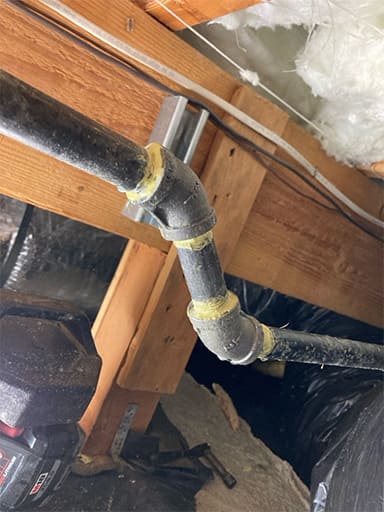
If you’ve experienced a slab leak, consider rerouting pipes rather than breaking through concrete. A plumber can:
- Isolate the leaky area
- Establish new entry and exit points for your pipes
- Reroute through attics, walls, or ceilings
This approach costs less and causes less disruption than jackhammering through your foundation.
7. Know how to shut off your water manually
Everyone in your household should know how to manually shut off utilities. Locate your main water shut-off valve, which typically looks like a wheel or lever.
Practice turning it off so you can do it quickly in an emergency. This prevents contaminated water from entering your home’s lines and keeps water from draining out if there’s a break in the system.
8. Store emergency water for outages
Clean drinking water may not be available for days or weeks after an earthquake. Prepare by:
- Storing at least one gallon per person per day for at least three days
- Aiming for a two-week supply when possible
- Replacing stored water every six months if you’ve filled containers yourself
- Keeping containers in a cool place (50-70°F) away from sunlight and chemicals
Commercially bottled water remains safe for about five years and is the most reliable option in emergencies.
Choosing the Right Plumbing Materials for Earthquake Safety
When the ground shakes, the material your pipes are made from could mean the difference between minor repairs and catastrophic damage. You’re making one of the most important decisions about your home’s water system when you choose earthquake-resistant plumbing materials.
Why PEX is preferred in seismic zones
PEX (cross-linked polyethylene) tubing has become the go-to choice for earthquake-prone regions like Seattle. Here’s why it works so well:
Unlike rigid metal pipes, PEX flexes without breaking when the ground shifts beneath your home. This flexibility allows it to absorb and withstand seismic movements, dramatically reducing pipe fractures.
The multi-layer design of PEX piping survives significant seismic stress while keeping your water flowing. This matters especially in Seattle, where even minor ground shifts damage traditional plumbing systems.
PEX gives you additional benefits beyond earthquake protection:
- Resistance to scale and chlorine buildup
- No corrosion or pinhole development over time
- Faster installation than metal or rigid plastic systems
If you’re concerned about Seattle’s earthquake risk, PEX represents a smart investment. You get better everyday performance and emergency protection.
Copper vs. PEX: what you need to know

Copper has long been considered the premium plumbing choice. But in earthquake zones, its rigidity becomes a liability. Here’s how they compare:
Earthquake Performance
- PEX: Absorbs shocks and vibrations without cracking
- Copper: More vulnerable during earthquakes due to rigidity
Durability
- PEX: Highly resistant to freeze damage
- Copper: Excellent fire resistance with a melt point of 1981°F
Cost Considerations
- PEX: More cost-effective solution for both materials and labor
- Copper: Higher initial cost but potentially longer lifespan
Environmental Factors
- PEX: Vulnerable to UV degradation, limiting outdoor applications
- Copper: Resistant to ultraviolet rays, suitable for external use
Seismic Safety
- PEX: Clear advantage in earthquake zones due to flexibility
- Copper: Can develop stress fractures during seismic movements
Copper remains a quality material. But its earthquake vulnerability has led many Seattle homeowners to choose PEX for retrofits and new construction. Speak to Craftsman Plumbing about your questions today to determine which material best suits your specific situation.
Installation tips for flexible systems
Proper installation matters as much as material choice. Even the best materials fail when installed wrong.
Use gentle bends rather than rigid, straight pipe runs. This allows your plumbing to flex during seismic activity. Sharp angles and tight corners create stress points that fail when the ground shakes.
Install flexible supports every 1-1.5 meters throughout your plumbing system. These supports stabilize pipes while allowing controlled movement during earthquakes. Rigid mounting actually increases damage by preventing PEX’s natural flexibility.
Make sure all connections are secure yet flexible. Push pipes fully into fittings until they click or lock to prevent separation during ground movement. Quality connections often represent the weakest links during earthquakes.
Test your system under stress after installation. Run water at operating pressure while simulating stress to verify system integrity. This simple step identifies potential failure points before an actual emergency occurs.
Consider PPR quick elbow fittings at connection points. These provide flexible, reliable connections that absorb seismic stress, reducing pipe break risks. Their design allows rapid, secure connections without welding or glue, offering flexibility that traditional joints lack.
You can make your home’s plumbing withstand Seattle’s seismic challenges for decades with the right materials and proper installation techniques.
Does Insurance Cover Earthquake Plumbing Damage?
You’ve secured your plumbing system physically. Now you need financial protection – something many Seattle homeowners discover too late.
When earthquakes damage your water pipes, the financial aftermath can be just as devastating as the physical damage.
What standard homeowners insurance excludes
Here’s what most homeowners don’t realize: standard insurance policies don’t cover earthquake damage. This exclusion applies no matter how severe the damage or how it affects your plumbing system. Standard homeowners and renters policies simply won’t cover earthquake-related destruction.
Your regular policy also excludes:
- Damage from landslides, settlements, or mudflows caused by earthquakes
- Foundation damage affecting plumbing lines
- Ground movement that breaks underground pipes
There’s one exception worth knowing about. If an earthquake causes a fire that damages your home, your standard homeowners policy typically covers the fire damage. This protection exists even without specific earthquake coverage.
How earthquake insurance works in Washington
Earthquake insurance is available throughout Washington as either a separate policy or an endorsement to your existing homeowners insurance. These policies specifically cover damage from seismic activity that your standard policy excludes.
Earthquake insurance in Washington typically covers:
- Structural repairs to your home
- Personal property replacement
- Additional living expenses if your home becomes uninhabitable
You’ll face higher deductibles than your standard policy. Earthquake insurance deductibles typically range from 10-25% of your home’s insured value. With a $500,000 policy, your deductible might be $50,000-$125,000 before coverage kicks in.
Tips for choosing the right policy
Consider your home’s specific vulnerability factors. Older homes or those with rigid plumbing systems face greater earthquake risk. Homes with masonry construction typically cost more to insure than wood-frame structures.
Evaluate coverage limits carefully. Make sure your policy specifically mentions plumbing systems and underground pipes. Some policies have exclusions even within earthquake coverage.
Ask about building code upgrade coverage. Following earthquakes in Seattle, building codes often change. This coverage helps pay for required upgrades during repairs.
Earthquake insurance premiums can be substantial, but costs vary widely based on your home’s location, construction, and age. Compare quotes from multiple providers, including the California Earthquake Authority (which despite its name, offers policies in Washington).
Remember that earthquake insurance is an investment in recovery. Without it, you’ll bear the entire financial burden of replacing damaged plumbing systems. That could cost tens of thousands of dollars.
You deserve protection for both your home and your financial security.
Your Home Is More Than Just Plumbing
Protecting your pipes is just the beginning. You deserve a home that keeps your entire family safe when the ground starts shaking.
You’re a capable homeowner who can take control of earthquake preparation. This isn’t about becoming an expert – it’s about making smart choices that protect what matters most.
Secure the Things That Can Hurt You
Heavy furniture and appliances account for 55% of injuries during earthquakes, far more than building damage which causes only 1%. That bookcase in your living room? It could become a deadly projectile.
You don’t need fancy equipment to make your home safer. Anchor large furniture pieces like bookcases, China cabinets, and refrigerators to wall studs using flexible cables, metal strapping, or braided wire. Secure anything top-heavy that could tip over. Move heavy objects to low shelves and away from beds, sofas, or anywhere your family spends time.
It’s simple. It’s affordable. It could save your family’s life.
Check What Holds Your House Up
Your home should be securely bolted to its foundation to withstand seismic forces. You can spot problems before they become disasters. Look for cracks or crumbling in your foundation, especially around columns and braces if you live on a hillside.
After any earthquake, check for exposed concrete that was previously buried, gaps in exterior siding, and use a level to confirm your floors remain even. These signs tell you whether your home shifted during the shaking.
Make a Plan Your Family Will Actually Follow
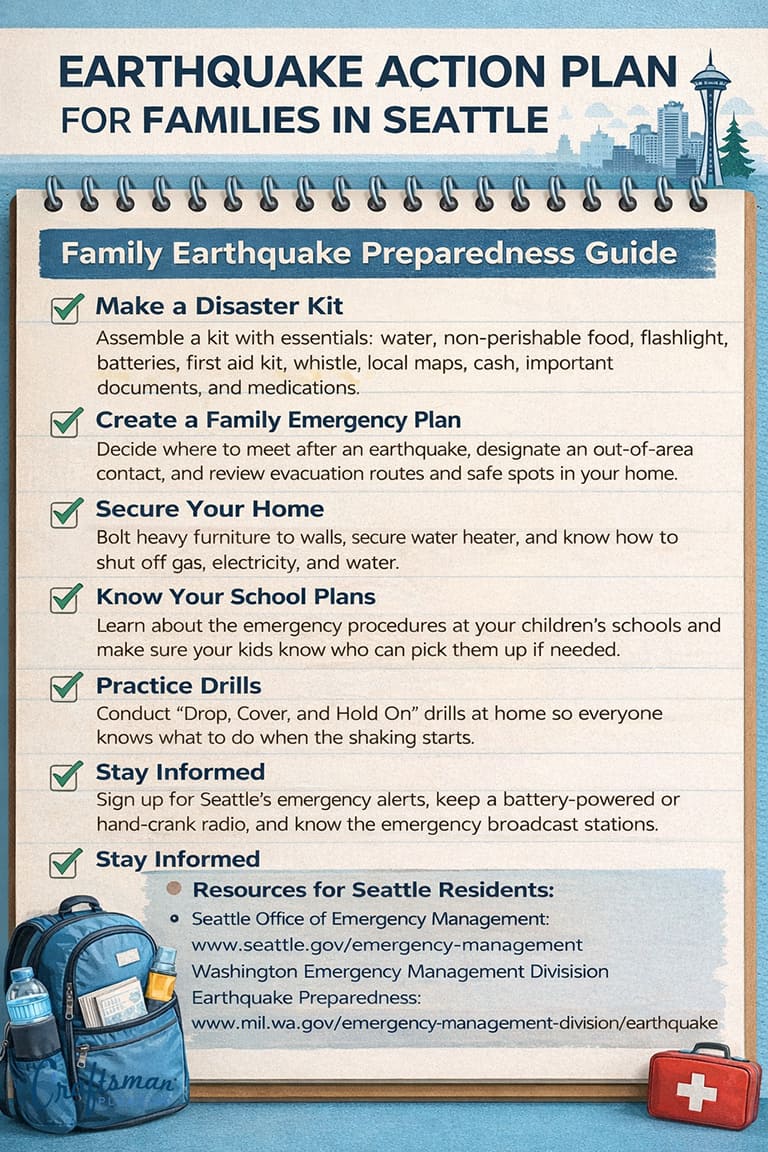
You need more than just good intentions. Develop a clear plan that includes designated meeting places – one right outside your home and another outside your neighborhood. Choose an out-of-state contact everyone can call, since text messages often go through when local calls fail.
Practice earthquake drills regularly so everyone knows exactly what to do. Make it simple enough that even during panic, your family can execute the plan.
Prepare for Two Weeks Without Help
Washington emergency officials now recommend being “2 Weeks Ready” with sufficient supplies to sustain your household after a major earthquake. That’s not fear-mongering – it’s reality based on what we learned from past disasters.
Besides water (one gallon per person per day), include non-perishable food, medications, first aid supplies, and battery-powered communication devices. Store supplies in three locations: a “Go-Kit” with 3 days of portable supplies, a “Stay-at-Home Kit” with 2 weeks of provisions, and a “Bed-Kit” with essentials if an earthquake strikes while sleeping.
You’re building peace of mind, one preparation at a time.
Your Home Can Handle Whatever Comes Next
You don’t have to choose between earthquake safety and peace of mind. You can have both.
Seattle’s earthquake risk is real. Your plumbing system faces unique vulnerabilities that most homeowners never think about until it’s too late. But you’re not most homeowners – you’re someone who takes action to protect what matters most.
The steps we’ve covered aren’t just about pipes and fittings. They’re about giving you confidence that your home can handle whatever the ground throws at it. Simple measures like securing your water heater, installing automatic shut-off valves, and choosing flexible connections cost far less than emergency repairs after disaster strikes.
Your standard homeowners insurance won’t cover earthquake damage to your plumbing. That reality makes preparation even more important. You deserve financial protection alongside physical safety.
Earthquake readiness goes beyond your plumbing system. Securing furniture, checking your foundation, and building emergency supplies all work together to keep your family safe. You can’t predict when the earth will shake, but you can control how prepared you are.
The next major Seattle earthquake will happen. That’s not fear-mongering – it’s geology. With the right preparation, your plumbing system becomes one less thing to worry about when that day comes.
You deserve both a safe home and complete peace of mind. Start with one step today. Your future self will thank you for the confidence that comes from being truly prepared.
Key Takeaways
Seattle homeowners face significant earthquake risks that can devastate unprepared plumbing systems, but proactive measures can prevent costly damage and ensure family safety.
- Seattle faces an 84% chance of a major earthquake in the next 50 years, making plumbing preparation essential for every homeowner in the region.
- Install automatic shut-off valves and secure water heaters with seismic straps to prevent fires and flooding during earthquakes – these simple upgrades can save thousands in damage.
- Replace rigid pipes with flexible PEX connections as they can bend and absorb seismic movement without breaking, unlike copper pipes that snap under stress.
- Standard homeowners insurance excludes earthquake damage, so consider specialized earthquake coverage to protect against plumbing system repairs that could cost tens of thousands.
- Store emergency water (1 gallon per person per day for 2 weeks) and know how to manually shut off utilities – municipal water systems may fail for extended periods after major earthquakes.
Disclaimer: The prices mentioned in this blog are for informational purposes only and reflect general industry research and due diligence. Pricing may vary based on location, job complexity, materials required, permitting, and other factors. Actual costs may differ and are subject to change without notice. For an accurate estimate tailored to your home, please contact a licensed plumbing professional directly.
Meet the Owner: Dusty Hoerler
Dusty Hoerler is the owner of Craftsman Plumbing, a trusted, locally owned plumbing company serving Seattle and surrounding communities. With decades of hands-on experience in residential plumbing, Dusty is known for his precision workmanship, honest communication, and commitment to doing the job right the first time.
Throughout his career, Dusty has built a reputation for solving complex plumbing issues with practical, long-term solutions rather than temporary fixes. His expertise spans everything from emergency repairs and water heater installations to seismic strapping, repiping, and whole-home plumbing upgrades.
As a Seattle-area plumbing professional, Dusty understands the unique infrastructure challenges of older homes, earthquake preparedness requirements, and local building codes. His approach prioritizes safety, durability, and transparency, ensuring homeowners feel informed and confident every step of the way.
Seattle Location
Craftsman Plumbing is proudly based in Seattle, Washington, serving homeowners throughout Seattle and surrounding communities. The company provides expert residential plumbing services designed specifically for the needs of Pacific Northwest homes.
Why Trust Craftsman Plumbing
You should call Craftsman Plumbing because every service call is treated with craftsmanship, care, and respect for your home. Dusty Hoerler and the team are known for showing up on time, clearly explaining your options, and delivering solutions that are built to last – not rushed repairs that cut corners.
Homeowners consistently appreciate the straightforward pricing, clean workspaces, and calm, professional approach. Whether you are dealing with an urgent leak, planning a plumbing upgrade, or preparing your home for earthquake safety, you can expect thoughtful service backed by real experience.
Craftsman Plumbing is built on integrity, technical expertise, and the belief that trust is earned through consistent, high-quality work – that is the No Mansplaining way!